
When ligaments or cartilage in the knee are damaged, pain, instability, reduced motion/mobility and long-term joint degeneration can result.
Dr Anthony Keeley, a Sydney-based orthopaedic surgeon with over 15 years of experience, offers advanced surgical care for sports-related knee injuries, including anterior cruciate ligament (ACL) reconstruction, meniscus surgery including repair, and patellofemoral stabilisation.
Using modern arthroscopic “keyhole” techniques, Dr Keeley is able to treat these conditions with minimal tissue disruption, resulting in faster recovery, reduced pain, and excellent long-term outcomes. His goal is to help each patient return to sport or activity with strength, confidence and joint integrity.
The ACL is one of the key stabilising ligaments of the knee. It is frequently injured during high-impact or pivoting sports such as AFL, soccer, netball and skiing. ACL tears can lead to significant instability and long-term damage if not addressed.
Dr Keeley offers modern arthroscopic ACL reconstruction, usually using single tendon hamstring graft, often combined with a lateral extra-articular tenodesis. Dr Keeley utilises anatomically precise graft placement, and dual suspensory “ultrabutton” fixation. These techniques enhance stability, and minimise the risk of graft impingement and re-rupture. Surgical success rates for ACL reconstruction are high, with return to sport usually possible within 9–12 months following comprehensive rehabilitation.
The meniscus is a C-shaped piece of cartilage on each side of the knee that cushions and stabilises the joint, and decreases the pressure on the joint surface, reducing wear. Tears are common in both younger athletes and also older individuals with degenerative joint changes.
Dr Keeley performs minimally invasive arthroscopic surgery to either repair or remove damaged meniscal tissue. Whenever possible, he aims to preserve the meniscus, as it plays a critical role in long-term joint health. Repair is favoured for younger patients or those with tears in the vascular zone of the meniscus, but also where a tear is amenable to repair.
This condition involves improper tracking or dislocation of the patella (kneecap), causing pain, instability, and recurrent dislocations. It is usually seen in individuals with anatomical variations, frequently with a family history of patella dislocation, and commonly presents in teenagers during sporting activities, often then becoming recurrent.
Dr Keeley assesses each case individually to determine the most appropriate surgical strategy, including medial patellofemoral ligament (MPFL) reconstruction or tibial tubercle osteotomy if needed.
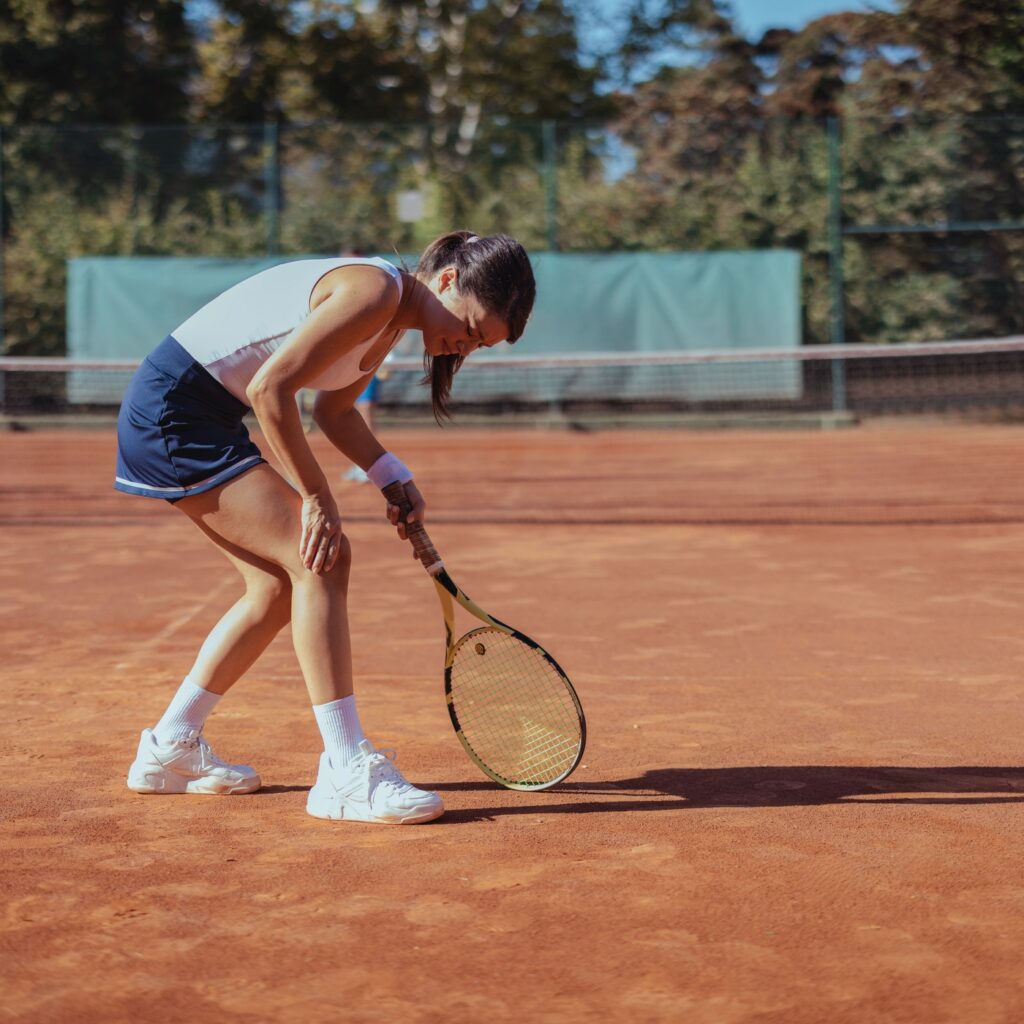
Dr Keeley specialises in arthroscopic knee surgery, a minimally invasive technique utilising small incisions, a fibre-optic camera, and fine instruments to visualise and treat internal joint structures. Arthroscopy is ideal for sports knee injuries because it:
Whether performing ligament reconstruction, meniscal repair, or cartilage procedures, arthroscopy allows Dr Keeley to deliver highly effective treatment with minimal disruption to the joint.
His patient-first approach ensures clear communication, treatment tailored to the needs of the individual, and long-term results that restore confidence and activity.